
Time: 2025-12-11 Click: 607 seen
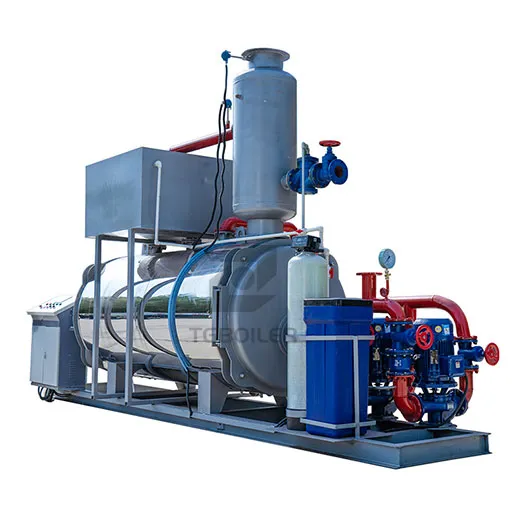
An atmospheric boiler refers to boiler equipment where the top is directly connected to the atmosphere. The boiler body itself does not bear pressure, and the gauge pressure at the water level is always zero. Water temperatures generally do not exceed 100 degrees Celsius, offering high safety. They are primarily used for domestic hot water and heating.
Pressure boilers are sealed pressure vessels that operate under internal pressure, allowing water temperatures to exceed 100°C. They are predominantly used in industrial applications.
Open design: The boiler top is vented to the atmosphere, functioning like an “open water tank.”
Pressure-free: The system operates at atmospheric pressure without internal pressure.
Temperature limitation: Due to the lack of pressure, hot water temperature cannot exceed 100°C.
High safety: No pressure risk eliminates explosion hazards, ensuring high safety.
Applications: Primarily for domestic hot water and building heating.
Working principle: Indirectly heats system water via heat exchangers or directly heats water in the boiler shell.
Sealed system: The internal steam-water system is enclosed and must withstand system pressure.
Pressurized: Operates at pressures exceeding atmospheric pressure.
High Water Temperature: Capable of heating water above 100°C.
Safety: Classified as special equipment (pressure vessel) with explosion risk; requires strict management.
Configuration Requirements: Must be equipped with safety accessories such as pressure gauges and safety valves.
Applications: Used in industrial sectors requiring high-temperature heat sources for production processes.
Working Principle: Water is heated within a sealed vessel to produce high-pressure hot water or steam.
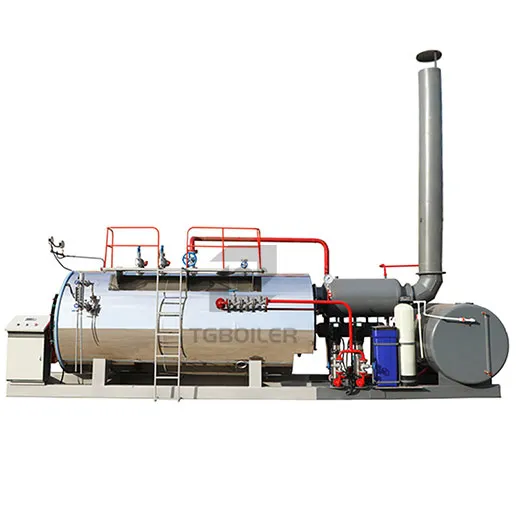
Whether selecting a non-pressure boiler or a pressure boiler, choose the appropriate boiler based on its water temperature and intended application.
For inquiries regarding non-pressure boiler or a pressure boiler, please contact:
Email: info@taiguoboilers.com WhatsApp: +86 13598899826
Tel/Fax: 0086 371 63311291
WhatsApp/WeChat: 0086 13598899826
Email:info@taiguoboilers.com
Add: No.6 Zone, North Side of Konggang No.6 Road, Airport Economy Zone, Zhengzhou City, Henan Province, China




 0086 13598899826
 0086 13598899826
 info@taiguoboilers.com
