
Time: 2026-08-06 Click: 112 seen
A steam boiler is a device that uses fuel combustion or other forms of thermal energy to heat water into steam, playing an extremely important role in industrial production. It is widely used across numerous industries to provide power and heat for various production processes. Its efficient and stable performance ensures the smooth operation of industrial production. The following section primarily introduces the applications of steam boilers in 10 industries.
In the food and beverage industry, steam boilers are widely used and play a critical role. During food processing—such as cooking meat, sterilizing canned foods, and pasteurizing milk—steam provides a precise and stable heat source. Taking canned food production as an example, steam generated by steam boilers is transported through pipes to sterilization retorts, where it is used to sterilize canned foods at high temperatures to ensure food safety and extend shelf life. In beverage production, steam is used to dissolve and mix syrups, as well as to clean and sterilize beverage bottles, thereby ensuring beverage quality and hygiene throughout the production process.
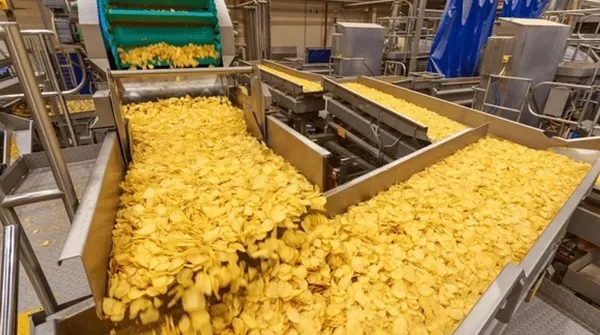
Production processes in the chemical and petrochemical industries involve numerous chemical reactions, most of which require specific temperature and pressure conditions to be controlled. Steam boilers provide the necessary thermal energy for these chemical reactions. For example, in processes such as oil refining, heavy oil cracking, and catalytic reforming, high-temperature steam is required to heat reactors and facilitate the smooth progression of reactions. In the synthesis of chemical products such as ammonia and resins, steam generated by steam boilers is used to heat reactors and control reaction temperatures, thereby ensuring product quality and production continuity.
The pharmaceutical industry imposes extremely stringent requirements on the cleanliness and precision of production environments and processes, and steam boilers play a crucial role in this sector. 1. In drug manufacturing—such as the synthesis of active pharmaceutical ingredients (APIs) and the purification of intermediates—steam is used to heat reaction vessels, ensuring chemical reactions proceed at optimal temperatures and preventing any adverse effects on drug quality. 2. During drug packaging, steam is also used to clean and sterilize packaging equipment to ensure the hygiene and safety of the packaging process and prevent drug contamination.
In the textile industry, steam boilers are primarily used in dyeing and finishing processes. In the printing and dyeing process, steam is used to heat the equipment, allowing dyes to dissolve more effectively and penetrate the fibers, thereby improving dyeing results and product quality. In textile finishing processes—such as setting and drying—the thermal energy provided by steam boilers heats setting machines and dryers, enabling textiles to achieve the desired shape and performance requirements, thus increasing the product’s value.
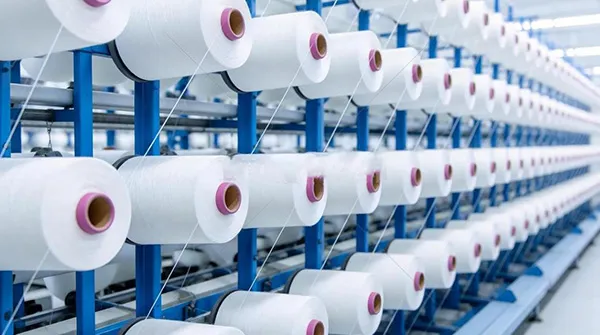
Steam boilers are used continuously throughout the papermaking and pulp production processes. In pulp production, steam is used to heat digesters, where wood and other raw materials are cooked under high temperature and pressure to separate cellulose and produce pulp. In papermaking, steam generated by boilers is used to heat the drying cylinders of paper machines, evaporating moisture from the paper to set its shape and achieve the desired level of dryness.
In the building materials sector, steam boilers power critical curing and drying equipment:
Autoclaved Aerated Concrete (AAC): Supplying high-pressure saturated steam to autoclaves for curing AAC blocks and lime-sand bricks.
In agriculture and animal husbandry, steam is essential for pellet production and grain pretreatment:
Pretreatment and Gelatinization: Steam is used to moisten animal feed slurry, gelatinizing the starch to improve nutrient absorption.
Extrusion: Aquatic feed and pet food are cooked under high pressure to ensure buoyancy and digestibility.
In breweries and wineries, steam boilers play a vital role in the winemaking process. In beer brewing, steam is used to heat malt to the temperatures required for mashing, boiling, and other processes, promoting the conversion of starch in the malt into fermentable sugars, killing harmful microorganisms, and creating optimal conditions for yeast fermentation.

Oil refineries are vital facilities for petroleum refining, and steam boilers are indispensable there. During the distillation of crude oil, steam generated by steam boilers is used to heat the crude oil, enabling fractions with different boiling points—such as gasoline, diesel, and kerosene—to be distilled from the distillation tower. In addition, steam can be used for auxiliary processes, such as equipment cleaning and heat tracing in the refinery, to ensure normal production and operation.
Steam boilers are primarily used in hospitals and medical institutions to provide hot water and steam. In hospital laundry rooms, the steam generated by these boilers is used to heat washing machines, enabling high-temperature disinfection and cleaning of hospital supplies such as sheets, bedding, and surgical gowns to ensure the hygiene and safety of medical equipment. In addition, hospitals use steam to sterilize medical devices through high-pressure steam sterilization equipment and autoclaves, thereby preventing cross-infection and ensuring medical quality and safety.
If you would like to learn more about boiler-related topics or product details, contact the engineering team at Henan Thailand Boiler Manufacturing Co., Ltd. today to receive customized technical solutions tailored to your industry and factory-direct quotes.
Email: info@taiguoboilers.com WhatsApp: +86 13598899826
Tel/Fax: + 86-371-6331 1291
WhatsApp/WeChat: 8613598899826
Email:info@taiguoboilers.com
Add: 13th Floor, Building B, Zhengshang Xuefu Square, No. 277 Boxue Road, Zhengdong New District, Zhengzhou, Henan, China




 8613598899826
 8613598899826
 info@taiguoboilers.com
