
Time: 2026-06-18 Click: 158 seen
With the arrival of summer, boilers are highly susceptible to water shortages and overheating. Properly adjusting the load and water quality is key to ensuring the safe and efficient operation of the equipment. Therefore, during summer operation, it is essential to prevent overheating, control pressure, and prevent corrosion to ensure the smooth operation of factory production.
Control Operating Temperature: When summer loads are relatively low, boiler temperature should be maintained between 60 and 70°C. This meets basic requirements while preventing excessive temperatures that lead to energy waste and accelerated aging of equipment components.
Optimize Air-to-Coal Ratio: Strictly adjust air velocity and air ratio to prevent excessive local furnace temperatures or slagging.
Preventing Over-Temperature and Over-Pressure: Closely monitor changes in steam temperature and strictly control the cooling rate to ensure the temperature difference between the upper and lower walls of the steam drum does not exceed 40°C.
Regular Water Quality Checks: High summer temperatures can cause water quality to fluctuate. Therefore, water quality should be checked regularly, and treatment and adjustments should be made as needed to maintain clean water quality and extend the boiler’s service life.
Regular Cleaning: High summer temperatures make boilers susceptible to contamination and scaling. Therefore, regular cleaning and maintenance of the boiler are crucial; quarterly cleaning is recommended. Clean the boiler casing, combustion chamber, and chimney to remove dust and debris, ensuring combustion efficiency and efficient heat transfer.
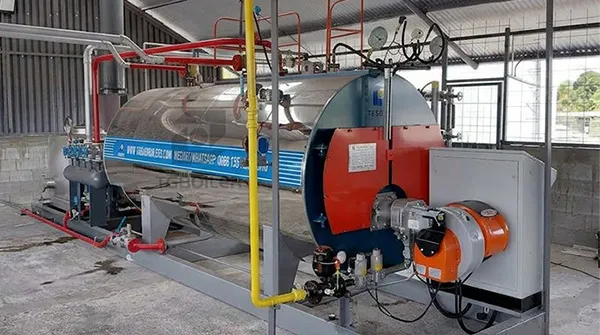
Conduct a comprehensive inspection of all valves (such as inlet and outlet valves, and furnace valves) to ensure there are no leaks and that the flue remains unobstructed.
Calibration of Safety Accessories: Regularly inspect safety accessories for special equipment—such as water level gauges, pressure gauges, and safety valves—to ensure they are sensitive and reliable.
Timely Burner Cleaning: In summer, fuel is prone to incomplete combustion, which affects the boiler’s combustion efficiency. Therefore, burners and nozzles must be cleaned regularly to ensure complete fuel combustion and improve energy efficiency.
Control Room Environment: Core electrical equipment, such as boiler control cabinets, should be housed in air-conditioned areas to prevent circuit failures caused by high temperatures.
Heatstroke Prevention and Ventilation: Adequate ventilation must be maintained in the boiler room and control room. Avoid operating during the hottest midday hours; instead, schedule operations for early morning or late evening.
Personal Protective Equipment: On-site operators must be equipped with personal protective equipment in accordance with regulations, and first-aid supplies for heatstroke must be readily available.
Implementing the above measures can effectively ensure the efficient operation of industrial boilers in high-temperature summer environments, improve energy utilization efficiency, reduce energy consumption and environmental pollution, provide reliable thermal energy support for industrial production, and achieve a balance of economic, social, and environmental benefits.
For more information about boilers, please contact:
Email: info@taiguoboilers.com
WhatsApp: +86 13598899826
Tel/Fax: + 86-371-6331 1291
WhatsApp/WeChat: 8613598899826
Email:info@taiguoboilers.com
Add: 13th Floor, Building B, Zhengshang Xuefu Square, No. 277 Boxue Road, Zhengdong New District, Zhengzhou, Henan, China




 8613598899826
 8613598899826
 info@taiguoboilers.com
