
Time: 2026-01-15 Click: 353 seen
With numerous boiler manufacturers in the market, how should one choose the appropriate equipment? What factors should be considered when selecting boiler equipment? TGBOILER, a boiler supplier, will address
these questions for you.
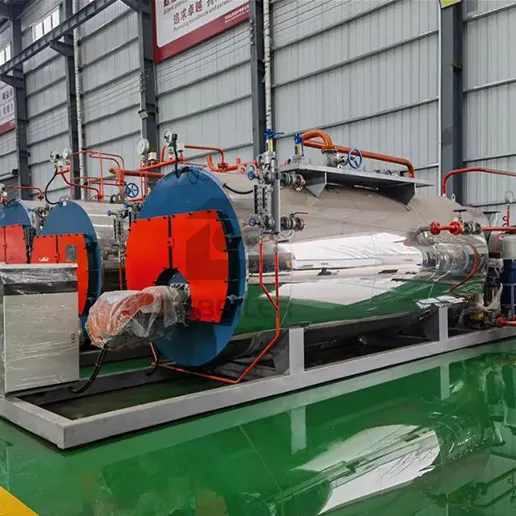
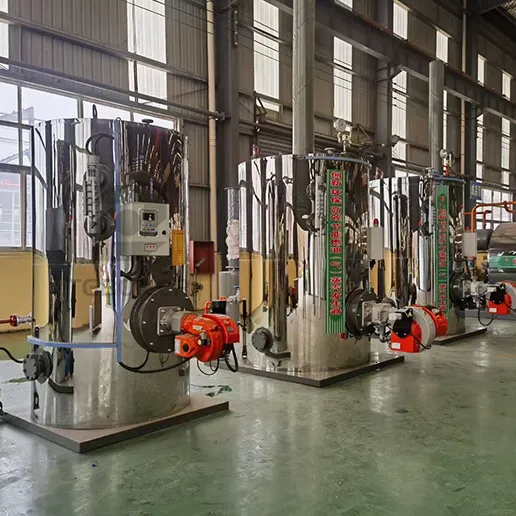
Selecting the right boiler equipment requires comprehensive consideration of factors such as thermal energy requirements, fuel type, capacity and number of units, installation constraints, and environmental regulations.
The most critical steps involve determining the required thermal energy (steam or hot water), fuel type, and selecting the boiler type (e.g., gas-fired, oil-fired, biomass, electric, or coal-fired) based on environmental compliance.
For smaller-scale needs, steam generators may be considered.
1. Thermal Energy Requirements:
Heat medium: Determine whether production requires steam (for heating/power) or hot water (for heating systems).
Required flow rate (evaporation capacity/thermal power): Determine the steam or hot water flow needed for production.
Temperature and pressure: Specify the required steam or hot water temperature and operating pressure.
Load characteristics: Consider load variability, including need for rapid response or stable output.
2. Fuel and Cost
Fuel Type: Natural gas, coal, oil, biomass, waste heat, etc. Select suitable fuel based on local availability, pricing, and environmental policies.
Fuel Cost: Evaluate long-term costs and supply stability across different fuel options.
3. Environmental Compliance and Efficiency
Emission Standards: Select boilers meeting national and local emission regulations (e.g., NOx, SOx, particulate matter) by choosing low-emission models or those compatible with desulfurization/denitrification systems.
Thermal Efficiency: Evaluate the boiler's energy conversion efficiency; high efficiency significantly reduces operating costs.
4. Installation and Maintenance
Installation Location: Measure available space, considering boiler dimensions, chimney placement, and fuel storage/transportation.
Serviceability: Assess ease of boiler maintenance and inspection.
5. Safety and Reliability
Safety Rating: Consider boiler pressure rating and safety configurations.
Brand and Quality: Select reputable manufacturers to ensure long-term stable operation.
6. Investment and Maintenance:
Initial Investment: Purchase and installation costs.
Operating Costs: Fuel, maintenance, water treatment, labor, spare parts, etc.
After-Sales Service: Understand the manufacturer's technical support and service system.
For enterprise production and development, comprehensively evaluating these six factors is essential to select an industrial boiler suitable for both current and future operational needs.
If you are looking to purchase an industrial boiler for your factory, please contact the TGBOILER team for a free, customized solution and quote.
Email: info@taiguoboilers.com WhatsApp: +86 13598899826
Tel/Fax: 0086 371 63311291
WhatsApp/WeChat: 0086 13598899826
Email:info@taiguoboilers.com
Add: No.6 Zone, North Side of Konggang No.6 Road, Airport Economy Zone, Zhengzhou City, Henan Province, China




 0086 13598899826
 0086 13598899826
 info@taiguoboilers.com
