
Time: 2026-04-09 Click: 273 seen
The paper industry is a typically energy-intensive sector that requires a large and steady supply of steam during production. Therefore, selecting the right industrial boiler for a paper mill not only improves production efficiency and reduces energy consumption but also ensures stable production.
1. Determine Steam Demand
Before selecting a boiler, it is essential to calculate the steam demand (t/h) of the paper production line.
A reasonable steam output not only prevents steam waste but also ensures production is not disrupted by insufficient steam.
2. Specify Steam Pressure
Different processes in the papermaking production line require steam at varying pressures. For example, the drying process requires low pressure, while pulp processing requires medium pressure. The steam pressure range for papermills is typically 1.0–2.5 MPa, and companies must select the appropriate steam pressure.
3. Fuel Selection and System Configuration
The choice of boiler fuel directly impacts operating costs and environmental emissions. Common fuel types include:
| Fuel Type | Natural gas steam boilers | Biomass boilers | Coal-fired boilers | Electric steam generators |
| Features | Clean combustion and high automation, suitable for regions with strict environmental requirements | Utilize wood chips, straw, rice husks, etc.; low fuel costs, suitable for resource-rich regions | Low operating costs, suitable for factories with high steam demand | Suitable for small-scale production lines; quick startup and zero emissions |
When selecting fuel, local fuel supply, price, and environmental policies should be comprehensively considered.
4. Boiler Type Selection
Depending on the scale of the paper mill and production requirements, different types of boilers can be selected:
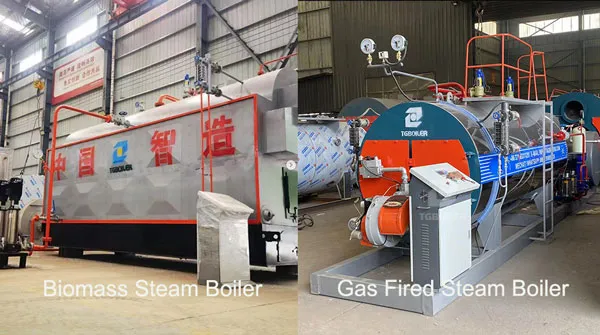
Horizontal gas-fired steam boilers: High thermal efficiency, high level of automation, and simple maintenance
Biomass steam boilers: Low fuel costs, suitable for long-term operation
Circulating fluidized bed boilers: Suitable for large paper mills, capable of burning multiple fuel types
5. Energy Efficiency and Environmental Requirements
As environmental regulations become stricter, an increasing number of paper mills are focusing on the following aspects of boilers:
Thermal efficiency, low nitrogen emissions, and energy-efficient operation
Selecting a high-efficiency boiler not only reduces fuel consumption but also lowers long-term operating costs.
6. Automation and Safety Systems
Modern industrial boilers are typically equipped with:
PLC intelligent control systems, automatic water level control, automatic pressure protection, and multiple safety interlocks
These systems effectively enhance the safety and stability of boiler operation.
In summary, when selecting a boiler, paper mills must comprehensively consider various factors and choose the appropriate boiler equipment based on actual production needs. A well-designed boiler configuration not only ensures stable production operations but also effectively reduces energy consumption and operating costs.
If you are planning a boiler project for a paper mill, please feel free to contact us. TGBOILER’s engineering team will provide you with a professional boiler selection plan.
Email: info@taiguoboilers.com WhatsApp: +86 13598899826
Tel/Fax: 0086 371 63311291
WhatsApp/WeChat: 0086 13598899826
Email:info@taiguoboilers.com
Add: No.6 Zone, North Side of Konggang No.6 Road, Airport Economy Zone, Zhengzhou City, Henan Province, China




 0086 13598899826
 0086 13598899826
 info@taiguoboilers.com
