
Time: 2026-04-30 Click: 249 seen
In the food processing industry, steam boilers are critical equipment for providing thermal energy. From distillation, extraction, and high-temperature sterilization to drying and aging, every step of the process relies on a stable, high-quality steam supply.
Given the unique nature of the food industry, companies cannot base their selection on a single parameter alone. Instead, they must thoroughly evaluate factors such as steam capacity compatibility, pressure stability, steam hygiene standards, and the system’s performance in terms of automation and low-carbon sustainability. Selecting the right steam boiler not only enhances production efficiency and reduces energy consumption but, more importantly, ensures food safety for consumers.
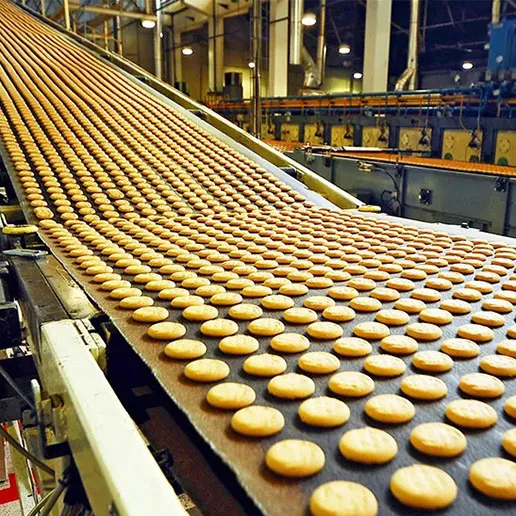
Different food processing methods have vastly different steam requirements:
| Process Type | Core Requirements |
| Steaming/Sterilization (meat, canned goods) | Requires stable pressure + continuous steam supply |
| Drying/Baking (cookies, bread) | Greater emphasis on temperature control accuracy |
| Cleaning/Disinfection (CIP systems) | Requires high-temperature, clean steam |
| Fermentation (dairy products, brewing) | Requires stable, low-pressure steam |
Given the unique requirements of the food industry, the following three types are the mainstream boilers on the market:
1.WNS Series Gas/Oil-Fired Steam Boilers (Mainstream)
Advantages: High thermal efficiency (≥95%), clean and pollution-free, high degree of automation, stable steam quality (suitable for food-grade applications)
Applications: Meat processing plants, dairy plants, central kitchens
Advantages: Pollution-free, zero emissions, low noise, high steam purity, simple installation
Limitations: Higher operating costs (heavily influenced by electricity prices)
Applications: Laboratories, food testing, precision food processing
Advantages: Low fuel costs (wood chips, pellets), relatively environmentally friendly
Applications: Enterprises with a stable supply of biomass fuel, agricultural product processing plants (e.g., grains, cassava, fruits and vegetables); must be equipped with high-efficiency dust removal equipment to comply with local environmental standards.
| Parameters | Content |
| Evaporation Capacity | Small food factories: 0.5–2 tons/hour Medium-sized factories: 2–10 tons/hour Large production lines: 10 tons or more |
| Steam Pressure | Common range: 0.7–1.25 MPa The food industry typically does not require ultra-high pressure |
| Steam Quality | Is dry steam required? Is food-grade clean steam required? |
| Level of Automation | PLC control Fully automatic combustion Automatic water replenishment |
| Environmental Protection | Requirements vary by country: Low-NOx combustion (NOx emissions) / Carbon emission limits / Flue gas standards |
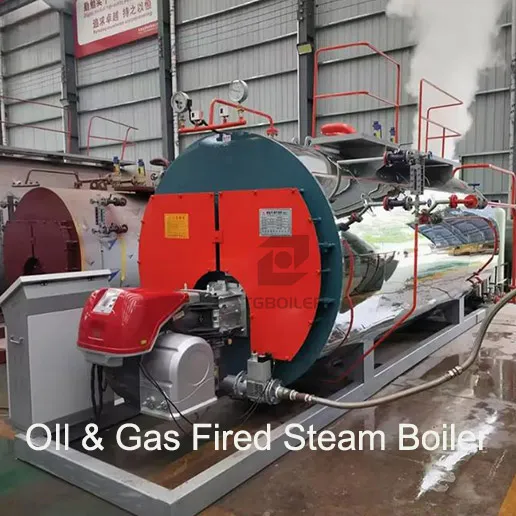
When selecting a boiler for a food processing plant, we recommend prioritizing a gas-fired boiler equipped with a low-nitrogen burner. Gas-fired boilers meet the food processing industry’s demand for high-efficiency, clean steam, while low-nitrogen burners reduce pollution and protect the environment.
In summary, multiple factors must be considered when selecting a boiler for the food processing industry. A properly configured boiler not only enhances production efficiency but also ensures food safety and product quality.
For inquiries regarding steam boilers for food industry, please contact:
Email: info@taiguoboilers.com WhatsApp: +86 13598899826
Tel/Fax: 0086 371 63311291
WhatsApp/WeChat: 0086 13598899826
Email:info@taiguoboilers.com
Add: No.6 Zone, North Side of Konggang No.6 Road, Airport Economy Zone, Zhengzhou City, Henan Province, China




 0086 13598899826
 0086 13598899826
 info@taiguoboilers.com
