
Time: 2025-11-20 Click: 427 seen
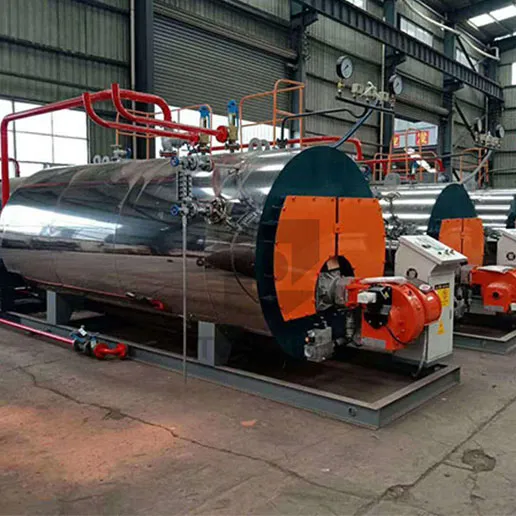
With the implementation of coal-to-gas conversion policies, clean and environmentally friendly industrial boilers have gained widespread popularity. This type of boiler, capable of burning both oil and gas, is known
as an industrial oil-gas dual-fuel boiler. This dual-fuel boiler can operate on oil alone, gas alone, or opt for a mixed oil-gas combustion. Customers can select the appropriate boiler based on actual industrial production
needs, with the potential to achieve mixed combustion of 3-4 different fuels.
The burner is a critical component, enabling the boiler to utilize two distinct fuels.
The boiler heats water by burning fuel to generate steam for industrial production and heating.
When one fuel becomes scarce or costly, the boiler can switch to the other fuel, enhancing operational flexibility.
Strong Energy Flexibility: Flexibly selects fuel oil or gas based on fuel availability and price fluctuations, potentially reducing fuel costs.
High Environmental Performance: Cleaner than traditional coal-fired boilers, meeting environmental protection requirements.
Stable Performance: Capable of adapting to varying demands through fuel switching, ensuring continuous boiler operation and providing a stable heat source.
Wide Application: Suitable for diverse industries including hospitality, agriculture, healthcare, chemical processing, food manufacturing, and technology.
High Cost:
Significant Initial Investment: Due to the dual-fuel combustion system, the initial purchase cost is typically higher than single-fuel boilers.
System Complexity:
The dual-fuel system increases equipment complexity, requiring specialized knowledge and skills for maintenance and repairs, which may elevate upkeep costs.
TGBoiler dual-fuel boilers feature an integrated design that reduces installation time and expenses. Their high automation level saves labor costs. We also provide premium after-sales service, ensuring customers have no concerns.
For inquiries regarding boilers, please contact:
Email: info@taiguoboilers.com WhatsApp: +86 13598899826
Tel/Fax: 0086 371 63311291
WhatsApp/WeChat: 0086 13598899826
Email:info@taiguoboilers.com
Add: No.6 Zone, North Side of Konggang No.6 Road, Airport Economy Zone, Zhengzhou City, Henan Province, China




 0086 13598899826
 0086 13598899826
 info@taiguoboilers.com
