
Time: 2025-09-18 Click: 869 seen
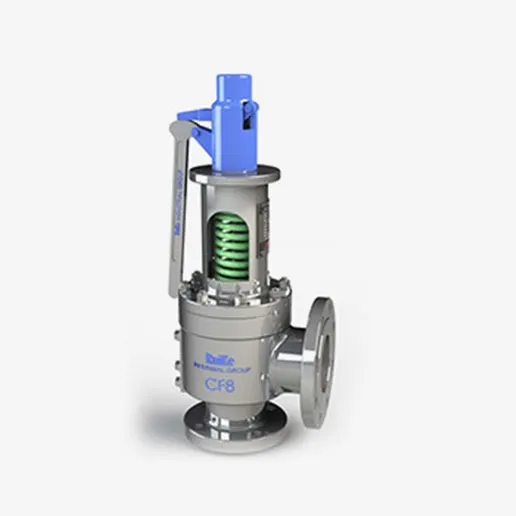
Regular maintenance is the best business practice to ensure efficient boiler operation. A leaking safety valve may be one of the most common issues requiring attention. If you discover a safety valve leak during routine maintenance checks, address it promptly. The sooner you resolve this issue, the faster the boiler can return to normal operation.
What are the dangers of a leaking relief valve?
Boiler leaks shorten the lifespan of the entire boiler system. When a relief valve leaks, water containing excess oxygen or various impurities enters the boiler system, corroding pipes and the boiler bottom, leading to leaks.
Additionally, solid particles entering the system due to a weakened relief valve compromise system safety. Solid particles accumulate on the boiler's inner surfaces, reducing its heat transfer efficiency. Deposits forming on the relief valve seat increase leakage volume, resulting in significant water waste, higher costs, and reduced productivity.
Troubleshooting Relief Valve Leaks
If you detect a leak from the boiler's safety valve, address the issue promptly. Before contacting a boiler repair service, consider these steps:
1. Check Pressure: The boiler's system pressure may be abnormal. Verify the boiler's default settings. If the pressure is irregular, this could be the root cause.
2. Gaskets and O-Rings: Gaskets or O-rings may be worn. Worn components lead to leaks. These parts are relatively easy to replace, especially if exposed.
3. Valve Settings: You should also examine other valve configurations. If valves are set too high, water flow may exceed control limits. Simple adjustments can often correct these settings.
If these common solutions fail to stop the valve leak, it's time to contact a professional boiler repair technician for assistance. Furthermore, even if you manage to fix the leak yourself, it's essential to have a trained professional identify the root cause of the leak and determine how to prevent future occurrences.
Tel/Fax: 0086 371 63311291
WhatsApp/WeChat: 0086 13598899826
Email:info@taiguoboilers.com
Add: No.6 Zone, North Side of Konggang No.6 Road, Airport Economy Zone, Zhengzhou City, Henan Province, China




 0086 13598899826
 0086 13598899826
 info@taiguoboilers.com
