
Time: 2025-08-29 Click: 804 seen
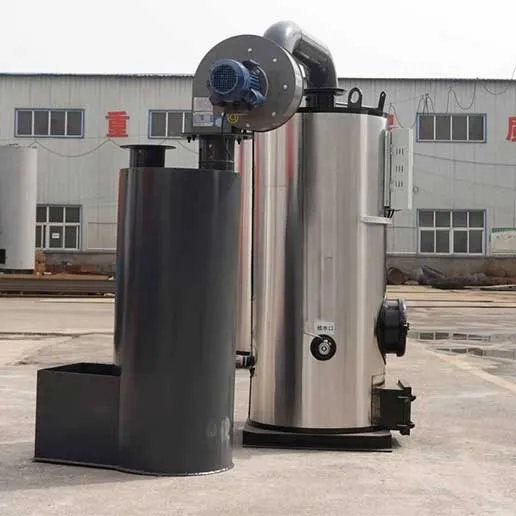
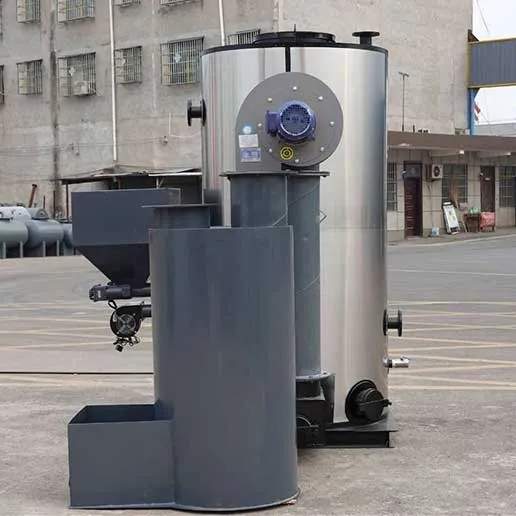
If you are considering purchasing a low-water-level, low-quality boiler, you need to carefully consider whether it is suitable for you. Understanding the advantages and disadvantages of low-water-level, low-quality boilers and selecting the appropriate boiler is the best approach.
There are several key advantages to using low-quality boilers, including:
1. Cost reductions: These units typically carry lower price tags, helping minimize operational expenses.
2. Compact footprint: Their smaller size reduces environmental footprint.
3. Lower utility bills: With minimal water consumption, water and electricity costs are kept low.
4. Quick learning curve: Simple designs make these boilers easy to understand and operate.
These represent just a few primary benefits of low-water-capacity, low-quality boilers. However, it's equally important to weigh these advantages against their associated drawbacks.
There are also some notable drawbacks to using this boiler system. Keep the following points in mind:
1. High minimum flow rate requirements: To ensure the boiler operates normally, you must meet the minimum flow rate requirement. In smaller boiler systems, this minimum flow rate is higher, which can increase your costs.
2. High water-side pressure differential: This significant pressure differential may increase system pressure, thereby increasing the likelihood of maintenance.
3. Increased sensitivity to water quality: Closely monitor the pH and hardness of the water. Small boiler systems are highly sensitive to even minor changes in water quality.
4. Regular boiler maintenance required: While this boiler system can help you save some costs, its maintenance costs will increase. It is recommended to conduct regular inspections of the boiler to ensure it operates normally.
Keep these key points in mind when determining whether this boiler system is suitable for your needs.
Tel/Fax: 0086 371 63311291
WhatsApp/WeChat: 0086 13598899826
Email:info@taiguoboilers.com
Add: No.6 Zone, North Side of Konggang No.6 Road, Airport Economy Zone, Zhengzhou City, Henan Province, China




 0086 13598899826
 0086 13598899826
 info@taiguoboilers.com
